








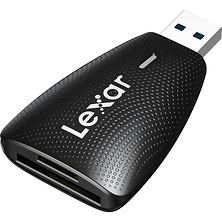
Multi-Format Memory Card Readers for Professional Workflows
Multi-format memory card readers are essential tools for photographers, videographers, and creative professionals who work with multiple card types across different camera systems. Whether you're offloading footage from a cinema camera, transferring high-resolution stills from a mirrorless body, or backing up microSD cards from a drone, a dedicated card reader with high-speed connectivity minimizes production downtime and streamlines your digital workflow.
A multi-format reader eliminates the need to carry separate readers for each card type your gear produces. These devices support combinations of CFexpress, SD/SDXC, microSD, XQD, and CompactFlash formats in single compact units, allowing seamless transitions between camera bodies and recording devices. When offloading happens on location, every minute counts; readers featuring USB 3.2 Gen 2 connectivity deliver sustained transfer rates up to 312 MB/s, moving footage and images from card to drive faster than older USB 3.0 designs.
Construction quality directly affects performance under heavy use. Many professional-grade readers use aluminum housings to dissipate heat during sustained high-speed transfers, preventing throttling on large data batches. Whether you're working with a studio tether system or backing up drives in the field, reliable readers maintain consistent speeds and build confidence that your critical footage arrives intact.
Reader Types and Format Support
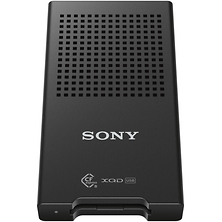
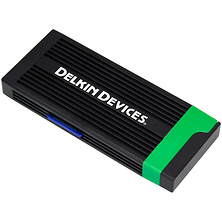
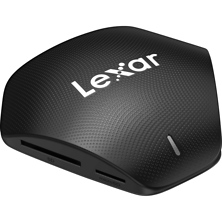
Multi-format readers break into three categories: dual-slot CFexpress and UHS-II SDXC readers for cinema and high-end mirrorless, USB 3.0 universal readers for legacy cards, and compact 2-in-1 readers for travel backup.
- CFexpress Type B and UHS-II SDXC dual-slot readers at sustained speeds up to 312 MB/s
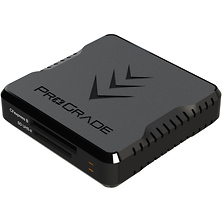
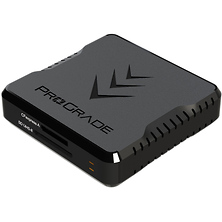
- CFexpress Type A with UHS-II SD cards for cinema workflows
- CFexpress and XQD dual-format readers for transitioning systems
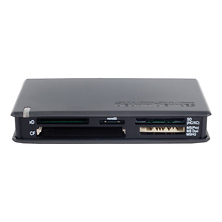
- USB 3.0 multi-format readers supporting CF, SD, SDHC, and SDXC
- Compact SD and microSD readers for travel and drone backup
Key Features and Technical Specifications
USB 3.2 Gen 2 readers deliver sustained speeds of 250-312 MB/s, cutting 4K transfer times dramatically. USB 3.0 readers cap at 60-80 MB/s. Dual-slot design allows simultaneous reads, enabling you to offload one card while recording on the next, without interrupting production.
Portability varies by design. Pocket-sized single-slot readers with USB-C fit in camera bags for travel; aluminum multi-slot models with heat management suit studio workstations.
- USB 3.2 Gen 2 connectivity supporting 250-312 MB/s sustained transfer rates
- Aluminum construction with heat-dissipation for sustained throughput
- Dual-slot and single-slot configurations
- USB-C and USB-A connections
- Support for CFexpress Type A/B, UHS-II SDXC, SD, microSD, XQD formats
- Hot-swap capability for continuous card rotation
- LED status indicators
- Bus-powered via USB, no external power required
Who Uses Multi-Format Memory Card Readers
Documentary and narrative filmmakers working with cinema cameras rely on CFexpress readers to move footage from camera to storage fast enough that production never stalls. A 15-minute 4K shoot generates 50+ GB; a CFexpress reader transfers that in under 3 minutes, freeing up storage for the next scene.
Wedding and event photographers using mirrorless cameras from Sony, Canon, and Nikon benefit from fast offloading during long days. Speedy transfers mean editing can begin immediately after the final shot.
Content creators combining footage from multiple sources (smartphone microSD, DSLR SD, DJI drone) benefit from universal multi-format readers that streamline ingestion into edit workstations. A single reader consolidates workflows and eliminates adapter clutter.
Travel photographers prioritize compact 2-in-1 readers that back up SD and microSD cards to portable SSDs without sacrificing backpack space. Hot-swap capability means continuous card rotation, letting you photograph uninterrupted while offloading in parallel.
Frequently Asked Questions
What's the difference between a dual-slot reader and a single-slot reader?
Dual-slot readers allow simultaneous access to two cards, enabling parallel workflows where one card offloads while another ingests fresh footage. Single-slot readers process one card at a time and prioritize portability and cost. Dual-slot readers are ideal for high-volume production workflows; single-slot readers suit travel and backup scenarios where speed is less critical than convenience.
Do all multi-format readers support CFexpress Type B cards?
No. CFexpress comes in Type A and Type B form factors with different speeds and physical dimensions. Some readers support Type B exclusively, others handle both, and some are designed for older XQD cards. Always confirm your specific card format before purchasing, as inserting the wrong card type damages both the card and reader.
What transfer speeds should I expect in real-world use?
USB 3.2 Gen 2 readers with UHS-II media deliver 250-312 MB/s sustained, depending on the card's write speed rating and reader implementation. A 64 GB card transfers in roughly 3-5 minutes; a 1 TB external SSD via the same reader takes 45 minutes to 1 hour. USB 3.0 readers max out around 60-80 MB/s, making them significantly slower for modern high-capacity media.
Can I use a multi-format reader with older camera models?
Yes. Most multi-format readers support legacy formats like CompactFlash and SDXC cards used in older DSLR and mirrorless bodies. Confirm the reader explicitly lists your camera's card format before ordering. Dual-format readers often omit legacy support in favor of modern CFexpress and UHS-II, so verify compatibility with your entire camera kit.
Do multi-format readers work with Mac, Windows, and Linux?
Yes. Readers present themselves as standard USB storage devices, requiring no software drivers. Mac, Windows, and Linux systems recognize them immediately as external drives. Plug in, drag files to your destination, and eject normally. This universal compatibility means you can backup to any system without device-specific software.
Are multi-format readers necessary, or can I use my camera's built-in USB connection?
A dedicated reader is significantly faster. Most cameras tether via USB 2.0 or slower USB 3.0, limiting transfer speeds to 20-60 MB/s. A USB 3.2 Gen 2 reader pushes 250+ MB/s, cutting transfer time by 75-80 percent. For photographers shooting 100+ images per session or videographers recording hours of 4K, the speed improvement justifies the reader investment. For casual users backing up a few dozen images, camera USB is adequate.
Shop Multi-Format Memory Card Readers at Samy's Camera
Samy's Camera stocks multi-format readers from brands like ProGrade Digital, Lexar, Delkin Devices, and SanDisk Professional, covering every format and workflow from compact travel backup to sustained cinema production. Whether you need a pocket-sized dual-card CFexpress reader for your digital mirrorless cameras or a full-size multi-format workstation reader for offloading video and audio gear, we have readers ready to accelerate your workflow. Browse our full memory and storage category or contact our team for personalized reader recommendations that match your specific card types and transfer speed requirements.